Startseite › Foren › Über Bands, Solokünstler und Genres › Eine Frage des Stils › Blue Note – das Jazzforum › Das Piano-Trio im Jazz › Antwort auf: Das Piano-Trio im Jazz
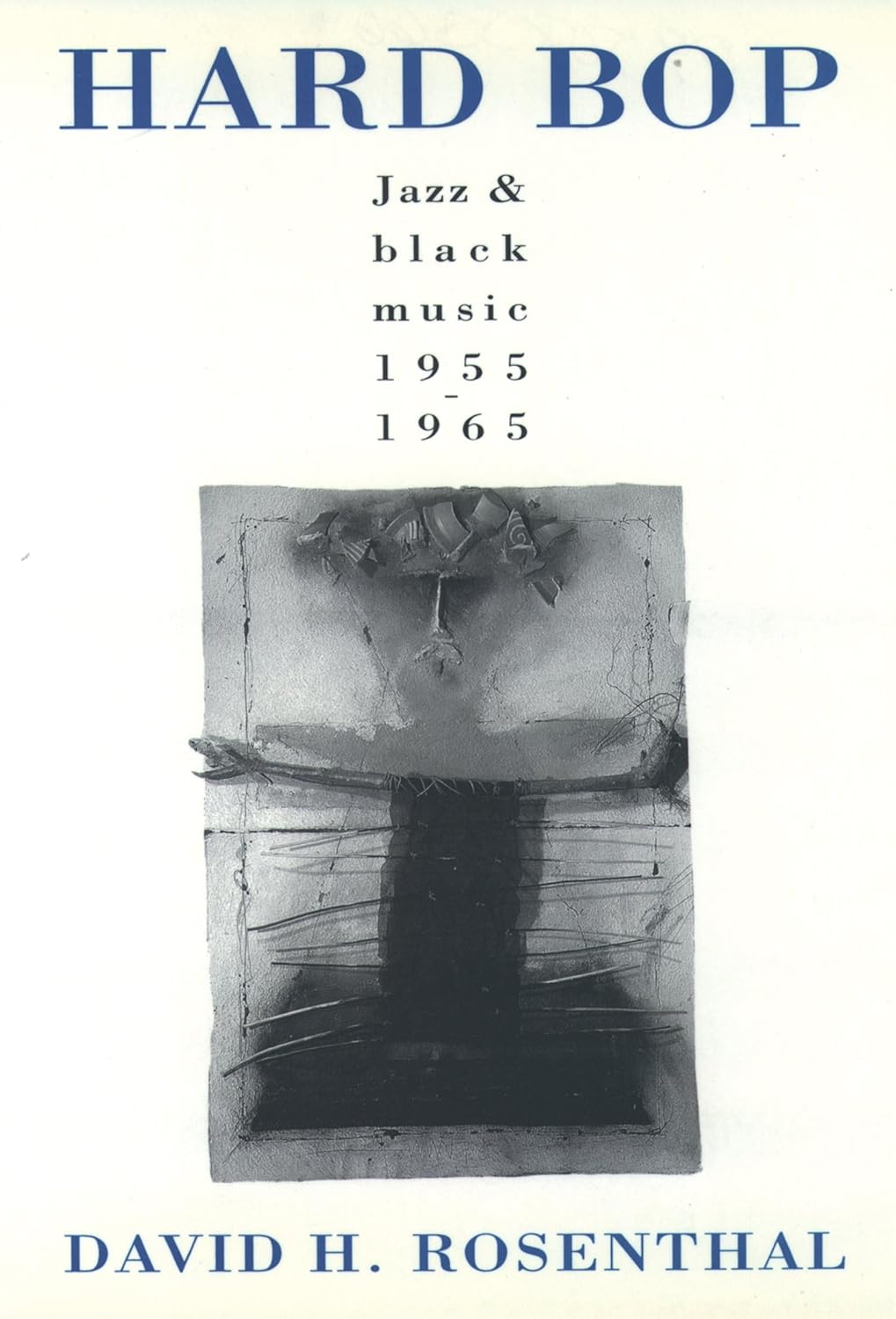
Endlich nachgereicht: David H. Rosenthal: Hard Bop. Jazz & black music 1955 – 1965 (Oxford/New York, 1992), geplündert zum Thema „lyrisch“ (Kapitel 5, „The Lyricists“, S. 85-100 in meiner TB-Ausgabe):
Zur Heranführung bringt Rosenthal eine kleine Episode von Barry Harris (aus einem Cadence-Interview von Bob Rusch, 1977): „I made a record with Lee Morgan, The Sidewinder, for Blue Note, and I went to the Blue Note man and asked him why he didn’t give me a record date – he said I played too beautiful. So I thanked him and walked out.“
Für „beautiful“ erwähnt Rosenthal dann einen Pianisten, der nie im Trio gearbeitet hat, Tadd Dameron, der 1953 zu seiner Band gesagt hat: „When I write something it’s with beauty in mind. It has to swing, sure, but it has to be beautiful.“ – Zu den Leuten, die diese Lektion lernten, gehören Benny Golson und Gigi Gryce als „main heirs (along with Jimmy Heath) in writing richly voiced, vibrantly melodic modern jazz originals.“ – Rosenthal schiebt dann noch Freddie Webster nach, den Lyriker unter den Bebop-Trompetern der zweiten oder dritten Reihe, der schon 1947 mit 30 gestorben ist. Art Farmer hat 1984 mal gesagt, sein eigener Ton sei nicht „completely original“ gewesen: „I’ve heard similarities in other musicians, like Shorty Baker, Miles Davis, Freddie Webster, Benny Bailey … a broad sound with a little bit of edge when you want it.“ (auch aus einem Cadence-Interview)
Rosenthal: „Webster, then, along with Dameron and swing pianist Teddy Wilson, whose delicate, filigreed style colored Hank Jones’s and Tommy Flanagan’s music, was another major influence on hard-bop lyricist. Apart from Davis, Webster’s best-known disciple was Art Farmer.“
Damit sind mal die Leute etabliert, um die es im ersten Teil des Kapitels geht: Golson, Gryce, Farmer. Rosenthal erzählt dann ihre frühen Karrieren. Ganz kurz: Farmer in Kalifornien, die Aufnahmen aus Paris 1953, als die alle mit Lionel Hampton auf Tour waren, wo Gigi Gryce neben Quincy Jones der Hauptarrangeur ist; Brown macht 1953 für Blue Note auch ein Album mit Gryce und Jones als Arrangeure, aber geht dann in eine andere Richtung (zu Blakey, wo Golson dann ja auch noch eine Sternstunde prägen sollte, die gerade vom Kontrast seiner Konzeption und der „badness“ der anderen – Morgan, Timmons – lebt). Gryce studiert bei Hovhannes in Boston, dann in Paris bei Lili Boulanger und Arthur Honegger – Getz nimmt schon 1951 mehrere seiner Stücke auf, ab 1953 spielt er dann mit Farmer, die erste Platte für Prestige ist allerdings bis auf ein Gryce-Original von Q arrangiert/konzipiert, ab 1955 wird die Zusammenarbeit dann regulär („When Farmer Met Gryce“, „Art Farmer Quintet“ und die Signal/Savoy Nonett-Session). Gryce: „Above all, we intend to maintain a richness, a beauty of melodic line no matter how odd the harmonies underneath might be. We want our music to be understood. […] We’re not restricting ourselves to the traditional 32-bar choruses. We’ll write and play in the framework of any number of bars that will best express our ideas. Nor do we want to be stuck with the usual pattern whereby the piano opens with four or eight bars, then everybody states the theme, followed by each man blowing a chorus on a ais set of changes“ (1955 in einem Interview von Down beat). Da geht es dann um die kompositorischen Mittel, die eingesetzt werden: eigene – gern impressionistischere als im Bebop – Harmonien, Nebenthemen, um Solisten zu lancieren, Begleitfiguren – alles Mittel, die eine Abwechslung der Textur ermöglichen.
Farmer sagte mal: „I want each note to count“ (Liner Notes zum Argo-Album „Art“) – und Sam Jones beschrieb ihn als „one of the most lyrical trumpet players in the world – I mean he really knows how to play a melody with feeling“ (Liner Notes zu „Art Farmer Quintet at Boomer’s“). Im Juni 1956 löst das Farmer/Gryce-Gespann sich auf – zu wenige Gigs, keine reguläre Rhythmusgruppe, die gehalten werden konnte … Gryce machte mit Donald Byrd weiter („Jazz Lab“), ist aber auch oft im Gespann mit Golson anzutreffen („City Lights“ von Lee Morgan, „The Greatest Trumpet of them All“ von Dizzy Gillespie). Golson nimmt auf seinen Alben diverse Gryce-Stücke auf … und spricht offen über den entscheidenden Einfluss von Dameron auf seine Arbeit: „Tadd’s music really ignited the spark for me. After hearing things like ‚Our Delight‘ and ‚Lady Bird,‘ I had more of a definite goal. I wanted to do more than play the tenor sax. I wanted to write“ (aus einem Artikel in Down Beat, 1958). Auf Dameron war Golson schon in der R & B-Band von Bullmoose Jackson gestossen, zu der auch Philly Joe Jones und Jymie Merritt (der Bassist bei Blakey, als Golson mit diesem spielte) gehören. Golson und Dameron freunden sich an, der Saxophonist schreibt ein Stück, das er dem Pianisten vorspielt und „Shades of Dameron“ nennt. Und er gehört natürlich zur selben Dameron Band wie Brown und Gryce, die „I Remember Clifford“ aufnimmt, schreibt die Charts für Lee Morgans erste drei Blue Note-Alben, für Gillespies Big Band, ist mti Morgan bei Blakey.
1959 bilden Farmer und Golson die gemeinsame Combo „The Jazztet“, die als Sextett mit einer Posaune in wechselnden Line-Ups bis 1962 überlebt. Auch hier wird eine Balance zwischen Komposition und Improvisation gesucht, die Musik swingt deswegen aber nicht weniger. Danach macht Farmer im Quartett weiter – mit Jim Hall und dann mit Steve Kuhn, spielt Gigs mit Jimmy Heath, bevor er nach Wien geht. Golson zieht 1967 nach L.A. und verschwindet in den Studios. Gryce verschwindet 1963 und versucht – im Gegensatz zu Golson, der mit grosser Anstrengung und Mühe aber später grossem Erfolg in die Jazz-Welt zurückkehrt – ein Comeback.
Teil 2: „Detroit Pianists“ – Hank Jones, Barry Harris, Tommy Flanagan. Rosenthal über Jones: „His light, harplike touch, as though he were plucking the piano’s strings instead of striking its keys, and his gracefully restrained single-note style are a reformulation of their [Teddy Wilson und Nat Cole] aesthethic in modern jazz terms.“ – Als archetypische Soli nennt Rosenthal die auf „Autumn Leaves“ („Somethin‘ Else“ von Cannonball Adderley) und „One for My Baby“ (Wes Montgomery, „So Much Guitar“): „Here – and on scores of other LPs – Jones achieves one of the most deeply relaxed grooves in jazz history. He provides a model of alert yet unintrusive accompaniment, while his solos combine ascending and descending runs of carefully modulated dynamics, deft funky touches, and a flexible rhythmic sense that constantly pushes and pulls at the beat.“
Auch Flanagan hat Cole und Wilson als Vorbilder genannt – und Jones „a more modern Wilson“ genannt (Whitney Balliett 1978 im New Yorker). Auch haben beide als Begleiter von Ella Fitzgerald gearbeitet – Jones 1948-53, Flanagan 1963-65 und dann 1968-78 wieder. Von „Overseas“ streicht Rosenthal ein Stück heraus: „The record contains at least one example of Flanagan’s silky, caressing approach to ballads: ‚Chelsea Bridge,‘ the beginning of a long love affair on wax with Billy Strayhorn tunes. But in general it is a rocking, kicking session booted along by [Elvin] Jones’s busily interweaving, loose-jointed brushwork. Flanagan has always played longer, twistier melodic lines than Hank Jones, and his prickly, vigorous attack is more percussive.“
Dann Barry Harris – Flanagan hat mit Jones und Harris im Duo gespielt und mit Harris teilte er sich die Lehrerin, eine Gladys Dillard, und oft gemeinsam geübt. Rosenthal: „Despite The Tommy Flanagan Trio Overseas and other evidence to the contrary, Flanagan has always been considered a lyricist. Harris, on the other hand, though he also has a way with ballads, is known as a driving, smoking instrumentalist. […] he is more of a dyed-in-the-wool modernist than his two Motor City compatriots. Whereas Jones and Flanagan, even at their bluesiest, radiate sunshine and civility, Harris partakes somewhat of hard bop’s darker energies, especially on medium-tempo tunes, where he can establish deeply hypnotic grooves.“
Abschluss: „But the three do have much in common. All are ‚musician’s musicians‘ – that is, masters of nuance who appeal to educated tastes, to listeners who can get beneath the surface of jazz, it’s overall ’sound,‘ and savor the dynamics and imaginative eccentricities of specific solos.“ – Und als eine Art Fazit dann: „In a sense, artists like Jones, Flanagan, and Harris, as well as Farmer and Golson, may represent what modern jazz would have been had the bebop revolution not taken place under the sign of radical innovation. Without Bird, Monk, et al., jazz would certainly have evolved since the 1940s, but perhaps in a less flamboyant and iconoclastic manner. This relatively subdued manner – along with the emphasis on ‚beauty‘ that led Blue Note to reject Harris – is the source of these lyrical stylists‘ affinities with the great Swing musicians. Like Benny Carter, Duke Ellington, and so many others associated with Swing, they have improved over the years, adding layer upon layer of finish, polishing and refining their art’s sheen and suble symmetry.“
Das Schlusswort erinnert mich nicht nur an ein Konzert von Golson – da waren die Lackschichten schon nicht mehr so perfekt – sondern auch an meine einzige Chance, Hank Jones zu hören, eine halb-missglückte All-Star-Geschichte mit einem fabulösen Pianisten im Zentrum … und mit Kenny Burrell an der Gitarre, der einst Flanagan seinen „running buddy“ genannt hat. Diesen und Harris habe ich leider nie hören können – aber den Jones-Touch mal gehört haben zu dürfen, ist ja auch nicht nichts.
So erhellend wie erhofft ist das alles allerdings nicht – aber im Geflecht der Beziehungen und im Fokus auf Komposition und Arrangement ergibt sich doch viel Material, das Hinweise darauf gibt, was mit „lyrisch“ alles gemeint ist. Wie so oft gibt es halt keine klare Definition, weil der Begriff ex-post angewendet wurde, nicht ein Konzept erstellt und benannt und verfolgt wurde (obwohl die ja alle ihre Konzepte hatten und sich diese überschneiden). Und die halbe Einengung auf Balladen, die Rosenthal bei den Pianisten macht (sie ist, finde ich, unpassend), macht er bei den drei Bläsern nicht …
--
"Don't play what the public want. You play what you want and let the public pick up on what you doin' -- even if it take them fifteen, twenty years." (Thelonious Monk) | Meine Sendungen auf Radio StoneFM: gypsy goes jazz, #170: Aktuelles von Jazzmusikerinnen – 19.02.2026, 20:00; #171 – 10.03.2026, 22:00; #172 – 14.04.2026, 22:00 | Slow Drive to South Africa, #8: tba | No Problem Saloon, #30: tba