Startseite › Foren › Über Bands, Solokünstler und Genres › Eine Frage des Stils › Blue Note – das Jazzforum › Das Piano-Trio im Jazz › Antwort auf: Das Piano-Trio im Jazz
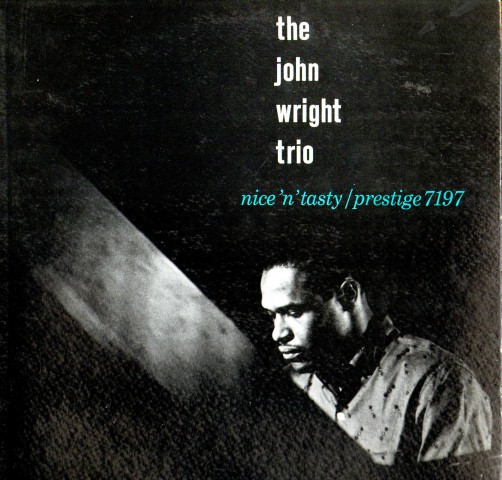
The John Wright Trio – Nice ’n‘ Tasty | Im November 1960 war Wright wieder im Studio von Rudy Van Gelder. Für sein zweites Prestige-Album stellte man ihm Wendell Marshall und J.C. Heard zur Seite. Als Opener ist eine funky Hard Bop-Nummer von Cannonball Adderley zu hören, „Things Are Getting Better“, bevor es mit „The Very Thought of You“ ins Balladenterritorium geht. Der Sound ist luxuriös, Goldregen im Herbst. Durch die Erweiterung um Standards und die mit allen Wassern gewaschenen Sidemen klingt das alles etwas anders, eine Spur weniger funky schon, aber gleichzeitig ermöglicht der Rahmen Wright auch, neue Facetten seines Spiels zu präsentieren.
Joe Goldberg holt in den Liner Notes sehr weit aus, um zu schreiben, was John Wright alles nicht sei und wird dabei heftig polemisch. Die Musik der Schwarzen Kirchen sei gerade „the most pervasive influence in contemporary American popular music“ und „’soul‘, or ‚funk‘, is the jazz shorthand for the music of the sanctified church“. Im Rhythm and Blues (und daher im Rock’n’Roll), ja selbst im Country and Western, habe die Musik der Schwarzen sich durchgesetzt, mit neuen Etikett „rockabilly“ und Elvis Presley – und weil sich das alles noch nicht im „theatre“ niedergeschlagen habe, „it is possible to find current hit tunes done in the gospel or country manner by people as far from the tradition as Eydie Gorme“. Das alles sei auch eine Reaktion auf „the pallid music of the west coast“ gewesen und selbst innert Kürze zu einem „commercial gimmick“ geworden sei. Die „Helden“ dieser „solemn days of jazz-as-art-and-oh-yes-roots-Lord“ (Hentoff, zitiert von Goldberg) seien meist Pianisten gewesen, und viel von dieser „soul music sounds as though it was written and performed by musicians with no greater acquaintance with gospels than can be acquired by a few hearings of Horace Silver’s ‚The Preacher'“. Und so würden sie alle ähnlich klingen, modernisierte Versionen von Gospel-Stücken schreiben und nicht bemerken, dass die Musik durch diese Modernisierung viel von ihrem Charme verliere. Dabei würden sie „mannerisms of Red Garland, Erroll Garner and Ahmad Jamal“ einstreuen und einen banalen „sentimentality-with-block-chords“ Zugriff pflegen. Und dann nennt Goldberg auch tatsächlich einen Namen: „The most representative of these is undoubtedly Les McCann, who has the bad taste to make mockery of the same music he exploits by shouting ‚Amen‘ after solos, and opens sets by saying things like ‚Once again I would like to welcome you to the East Side Baptist Church of Hollywood.'“ – Auch Victor Feldman kriegt sein Fett weg: er sei in Adderleys Band gerade so effektiv gewesen wie sein Vorgänger Bobby Timmons, aber sein Stil „had quickly disintegrated into a convention, as easily grasped by the professional musician as the cha-cha.“ Und als Gipfel dann noch die deutsche Ingenieurskunst: „Now that it has become a matter of supposedly emotional music being achieved solely through technique, perhaps we will find in a year or so, if the trend persists, that the Germans have learned how to manufacture funky piano players out of old airplane parts.“
Krass. Ob man sich über solche Liner Notes freuen kann, auch wenn nach zwei Drittel solcher Polemik noch ein Drittel des Lobes über einen folgt? Und klar, ich müsste das hier alles nicht ausgraben, aber ich finde es einen faszinierenden Einblick in ein Scharmützel, das ja lange Zeit nachwehte: Gene Harris – und Les McCann – werden bis heute von der Jazz-Polizei oft nicht ernst genommen: Ramsey Lewis sicher, Bobby Timmons vielleicht auch nicht. Und selbst Ahmad Jamal blieb nicht immer verschont.
--
"Don't play what the public want. You play what you want and let the public pick up on what you doin' -- even if it take them fifteen, twenty years." (Thelonious Monk) | Meine Sendungen auf Radio StoneFM: gypsy goes jazz, #170: Aktuelles von Jazzmusikerinnen – 19.02.2026, 20:00; #171 – 10.03.2026, 22:00; #172 – 14.04.2026, 22:00 | Slow Drive to South Africa, #8: tba | No Problem Saloon, #30: tba